
Documentary vs. Traditional Wedding Photography: What's the Difference?
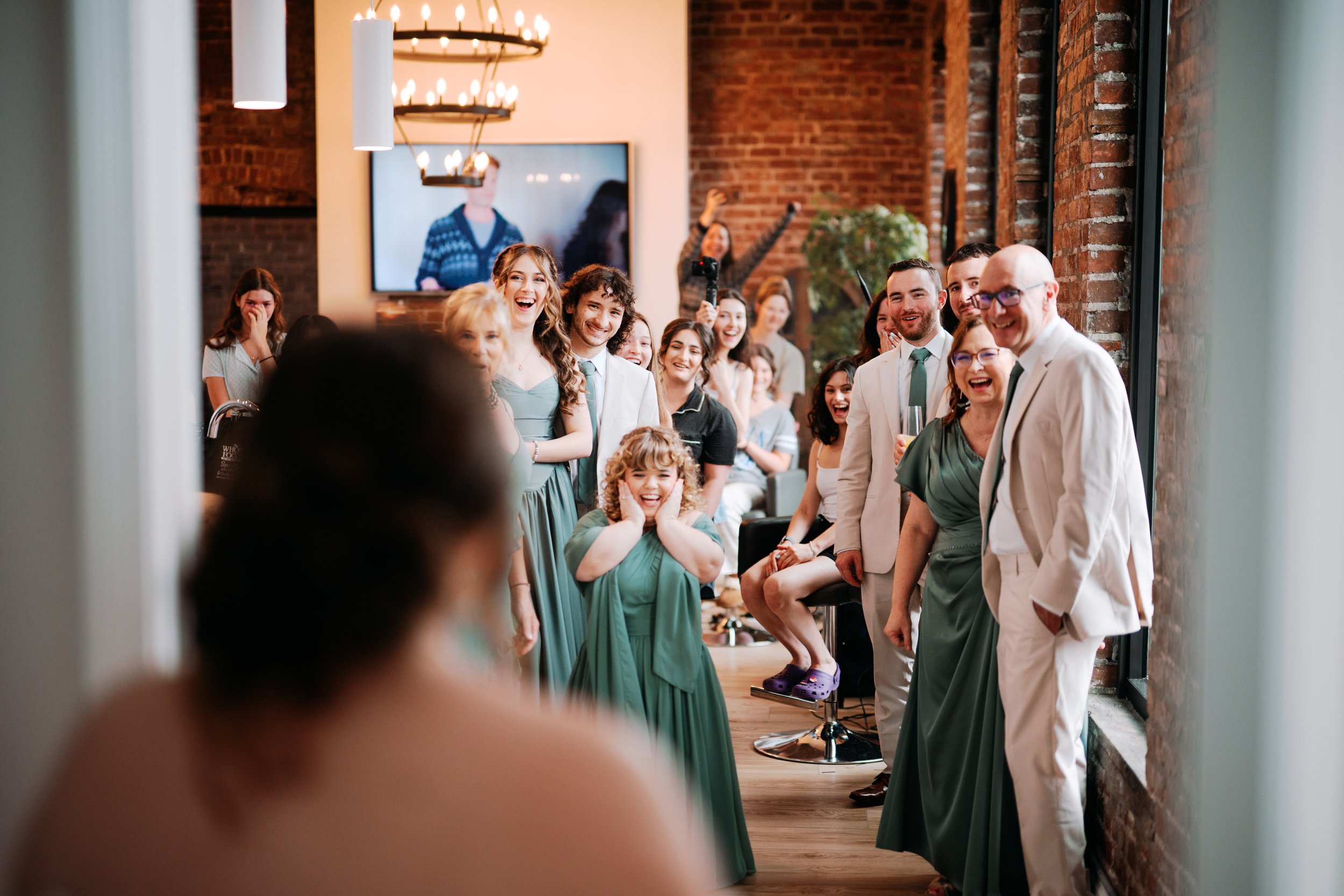
Most couples approach the question of photography style as an aesthetic choice. But it isn't, really. It's an experience choice. And the question I ask every couple I sit down with gets at exactly that: Do you want your wedding day to feel like a series of photo shoots, or would you prefer it to feel like a wedding?
That question is the real difference between documentary and traditional wedding photography. And it matters a lot more than aesthetics.
What Traditional Wedding Photography Looks Like
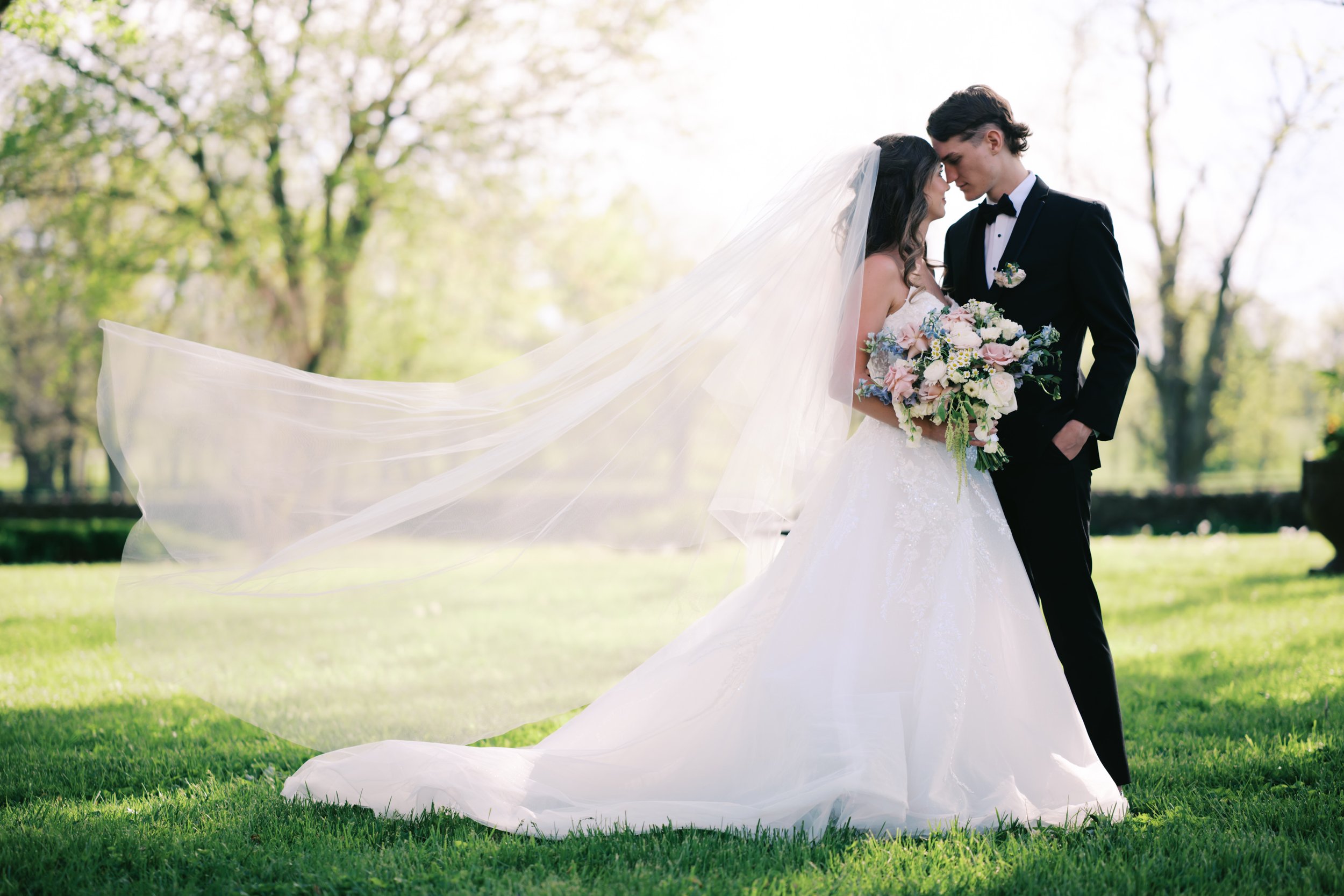
Traditional wedding photography is the style most of us grew up seeing in our parents' and grandparents' albums. The photographer runs the show. There's a shot list. The day has a structure built largely around photography, and you move through it — posed portraits, family groupings, couples shots — with the photographer directing each setup.
The results can be beautiful. Polished, carefully composed, technically precise. If you want a comprehensive set of formal portraits and you're comfortable being directed, traditional photography delivers exactly that.
But there are trade-offs: time and presence. Every minute spent on a posed setup is a minute not spent talking to your grandmother, laughing with your college friends, or just breathing in the fact that today is your wedding day.
There's no wrong answer here. Some couples genuinely want the structure and the polish. But it's worth knowing what you're choosing before you choose it.
What Documentary Wedding Photography Actually Means
Documentary wedding photography is rooted in photojournalism, and most documentary wedding photographers channel that by capturing real life as it unfolds, without staging or directing it. The documentary photographer's job is to observe, anticipate, and be in the right place at the right time. Not to create moments, but to catch them.
That may sound slightly abstract, so I'll give you a real example.
I was photographing Jordan and Eric on their wedding morning as they were getting ready in their bedroom. Jordan and Eric are animal people — their pets are very much a part of their family. At some point during the morning, the cat had retreated under the bed. Without any prompting, Jordan got down on the floor to coax her out. Eric sat nearby getting ready, the dog on the bed watching Jordan and the cat — everyone in a completely unrehearsed moment that said everything about who they are as a family.
I caught it.

That photo couldn't have been staged. If I'd asked them to recreate it, it would have looked like exactly that — a recreation. What made it work was that it actually happened, and I was paying attention.
That's documentary wedding photography. Not fake or planned shots for the sake of "candid" shots. Not random moments fired off without intention. It's disciplined, patient observation in service of telling the true story of your day — the story that only unfolds when nobody's performing.
The Real Difference Isn't the Photos — It's the Day
Here's what I've come to believe after 20 years behind a camera — first as a military photojournalist, now as a wedding photographer: the way you're photographed shapes the way you experience the event.
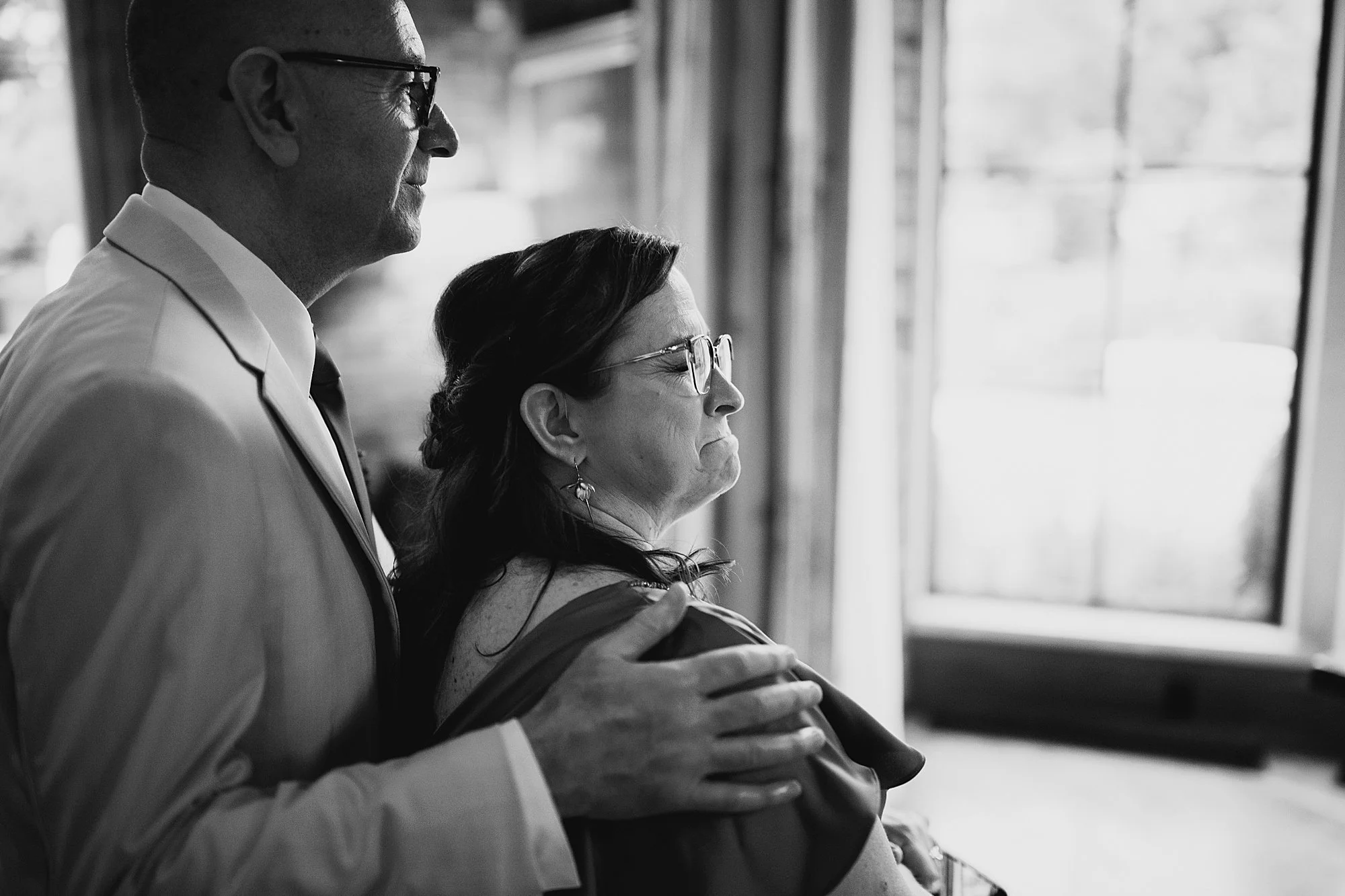
As a photojournalist, I learned the most important thing a photographer can do is disappear. When people forget you're there, they stop performing and start living. The moments that happen after that are the ones worth capturing.
The same is true on a wedding day.
When a photographer is constantly directing — calling your name, repositioning your hands, asking for one more look at the camera — you never quite settle into your day. You're always slightly aware of being watched. Slightly performing.
Documentary photography works differently. My goal is to be a presence, not an interruption. I'm moving through your day, paying close attention to what's actually happening, and capturing it as it unfolds. You're just getting married.
The photos are different because the experience is different. Genuine emotion reads differently than posed emotion — not better or worse in some objective sense, just different. More like evidence that something real happened.
What About Portraits and Family Formals?
This is the question I hear most often, and it's a fair one: does documentary mean no portraits?
No. It means portraits approached differently.
I absolutely guide my couples during portrait time. My goal is beautiful portraits that still feel like you — not stiff, not manufactured, but genuinely you. That requires some direction, and I'll never pretend otherwise.
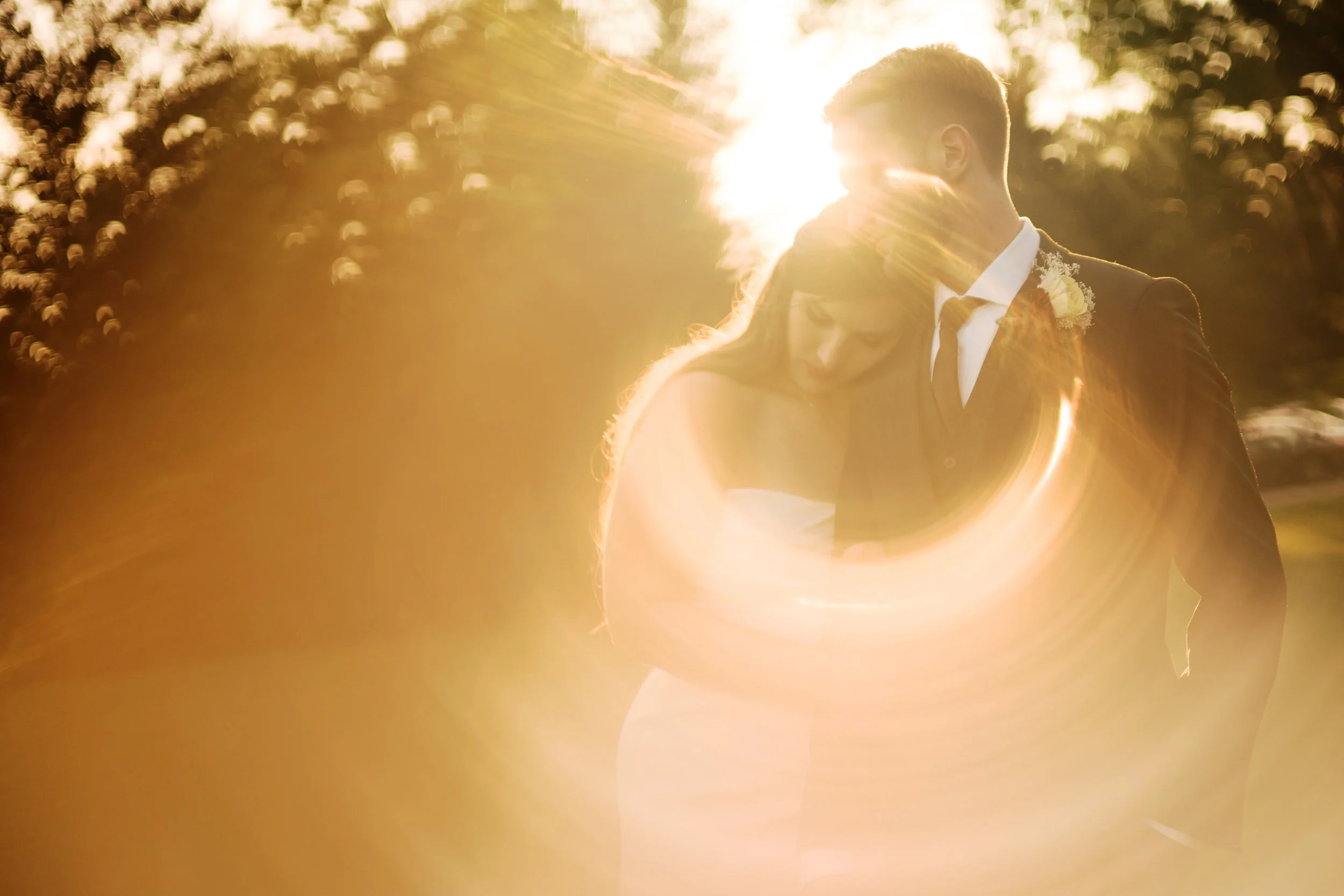
For family formals, I make my couples a promise: I will be done in 15 to 20 minutes, maximum. Not because family doesn't matter — of course they do — but because the point of your wedding day is not to spend it with me. The point is to spend it with the people in those photos. So I move efficiently, I stay focused, and then I step back and let your day be your day again.
That 15-to-20-minute window isn't a compromise. It's a philosophy. The faster we move through the formal structure, the sooner you're back in the room with your grandmother, your college roommate, your partner.
How to Know Which Approach Is Right for You
There's no universally correct answer. What matters is that your chosen photographer's approach matches what you actually want from your day.
Documentary wedding photography tends to be the right fit if:
You want to be fully present on your wedding day rather than managed through it.
You'd rather your photos feel like your relationship than look like a wedding magazine spread.
You value real moments over perfect yet contrived setups.
You feel self-conscious or uncomfortable in front of the camera.
You want photographs that convey the feeling or essence of the day.
Traditional wedding photography may be a better fit if:
You value highly refined formal portraits.
You prefer the reliability of knowing exactly which images you'll come away with.
You're comfortable being directed.
You appreciate the structure of clearly defined shot lists.
You want images that prioritize a polished, composed look above all else.
And if you want elements of both? That's a real and legitimate option and actually closer to reality. Most of my couples receive genuine documentary coverage throughout the day alongside portraits and family formals that are efficient, intentional, and still feel like them. It doesn't have to be either/or.
Frequently Asked Questions
What is the difference between documentary and traditional wedding photography?
Documentary wedding photography captures your day as it naturally unfolds — real moments, genuine emotion, no staging or directing. Traditional wedding photography is more structured, with the photographer directing posed portraits and working through a planned shot list. The core difference is the experience of the day and the way moments get preserved.
Is documentary wedding photography the same as photojournalistic wedding photography?
Largely, yes. Both terms describe an approach rooted in capturing real moments rather than directing posed ones. "Photojournalistic" is generally an older term, borrowed from news photography; "documentary" has become the more common language in the wedding world. You'll often see them used interchangeably, though some photographers draw subtle distinctions between the two.
Will I still get portraits with a documentary wedding photographer?
Yes. Documentary doesn't mean no portraits — it means portraits approached with a different priority. A documentary photographer will still guide you through couples portraits and family formals. The difference is in how much of your day is shaped around directed setups versus moving naturally through your wedding.
How do I know if documentary wedding photography is right for me?
Ask yourself how you want to experience your wedding day. If the answer involves being present, relaxed, and surrounded by the people you love — rather than moving through a structured series of photo setups — documentary photography is likely the right fit. If you have a detailed list of formal portraits you want and you prefer the reliability of a directed approach, traditional photography may serve you better.
Your Day. Your Story. I'm Here to Bear Witness.
Most wedding photos look like most weddings. The best ones look like you.
Documentary wedding photography isn't for everyone, and I mean that genuinely. It works best for couples who want their photos to be honest evidence of what actually happened: the cat under the bed, the look your dad couldn't quite hold back, the moment between you and your partner when nobody else was watching.
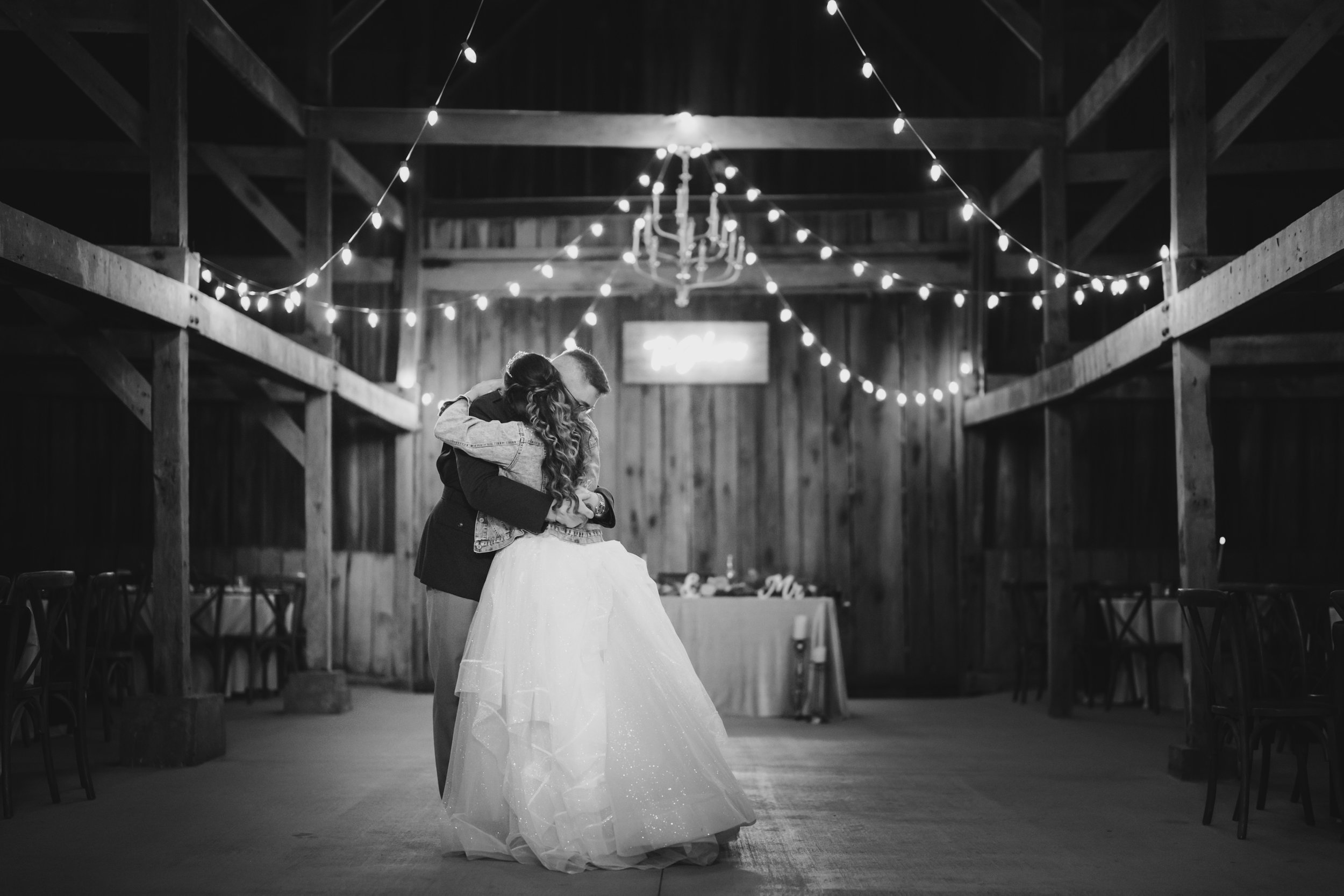
If that's what you're looking for, I'd love to hear about your wedding.
Learn more about working together.