
Your Day. Your Story. The Philosophy Behind How I Approach Every Wedding I Photograph
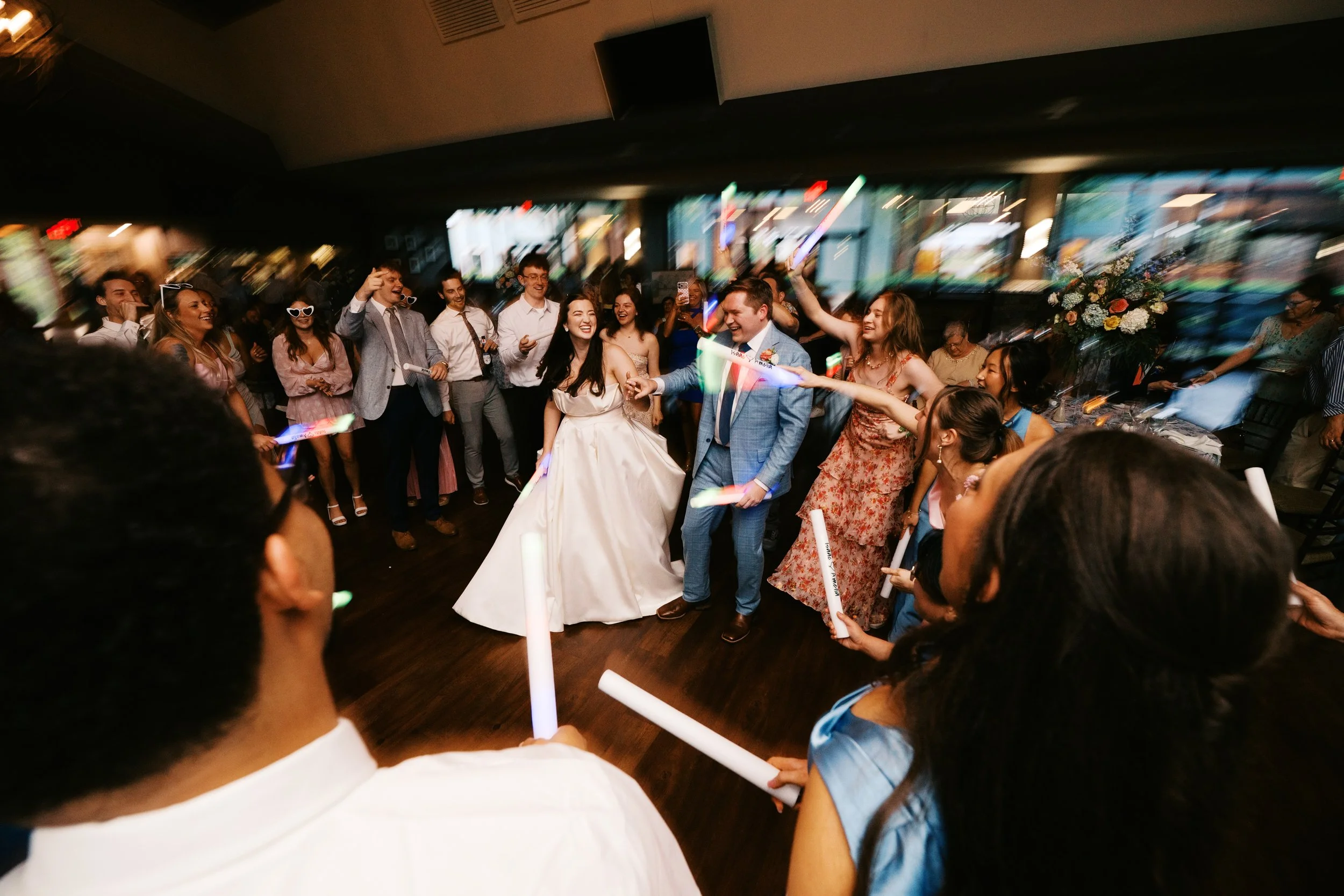
Something I've said to nearly every couple I've worked with, usually early on, before we've talked about timelines or the logistics of the day – This is your wedding day, not my photoshoot. You don't have to perform.
I say it because most people come to that first conversation carrying a quiet anxiety about being photographed, about not knowing what to do with their hands, about whether they're photogenic, about whether they'll be able to relax on a day when someone's pointing a camera at them. I say it because I mean it. And I say it because it's the clearest distillation I've found of what I believe about documentary wedding photography and what it means to do this work well.
For 20 years, I was a photojournalist; I spent two decades in the military learning to pay attention, to find the truth in a moment, and to capture it before it disappeared. I bring that same instinct with me into wedding photography, that the best images aren't fabricated, they're recognized; that the photographer's job isn't to create something out of nothing, but to be present and paying attention when something real happens.
Recently, I was accepted into the Wedding Photojournalist Association — a distinction that mean more to me than most credentials because it isn't something you can buy. The WPJA is a juried organization. Membership is granted based on your work, reviewed by your peers. What that means for you, as someone considering hiring me, is that the approach I'm describing in this post — the instinct to be present rather than directive, to find the moment rather than manufacture it — has been recognized by the people who hold documentary wedding photography to its highest standard. I'm telling you this not to impress you, but because I know that when you're trying to decide whether to trust someone with one of the most important days of your life, external validation from people who actually know the work can matter.
Over time, that instinct has crystallized into five core beliefs that shape the way I approach every wedding I photograph. I'm sharing them here because I think they matter, not just as a window into me and how I work, but as a framework for any couple trying to figure out what they actually want from their wedding photography experience.

Pillar One: Truth Over Performance
The wedding photography industry has a performance problem.
Browse any popular wedding blog or scroll through the feeds of the most-followed wedding photographers on Instagram, and you'll see it everywhere: carefully orchestrated portraits, couples posed in golden light, every frame constructed for maximum visual impact. It's beautiful work. Genuinely. But it's largely work that's fundamentally about the photographer's aesthetic, not the couple's experience, and there's a meaningful difference between the two.
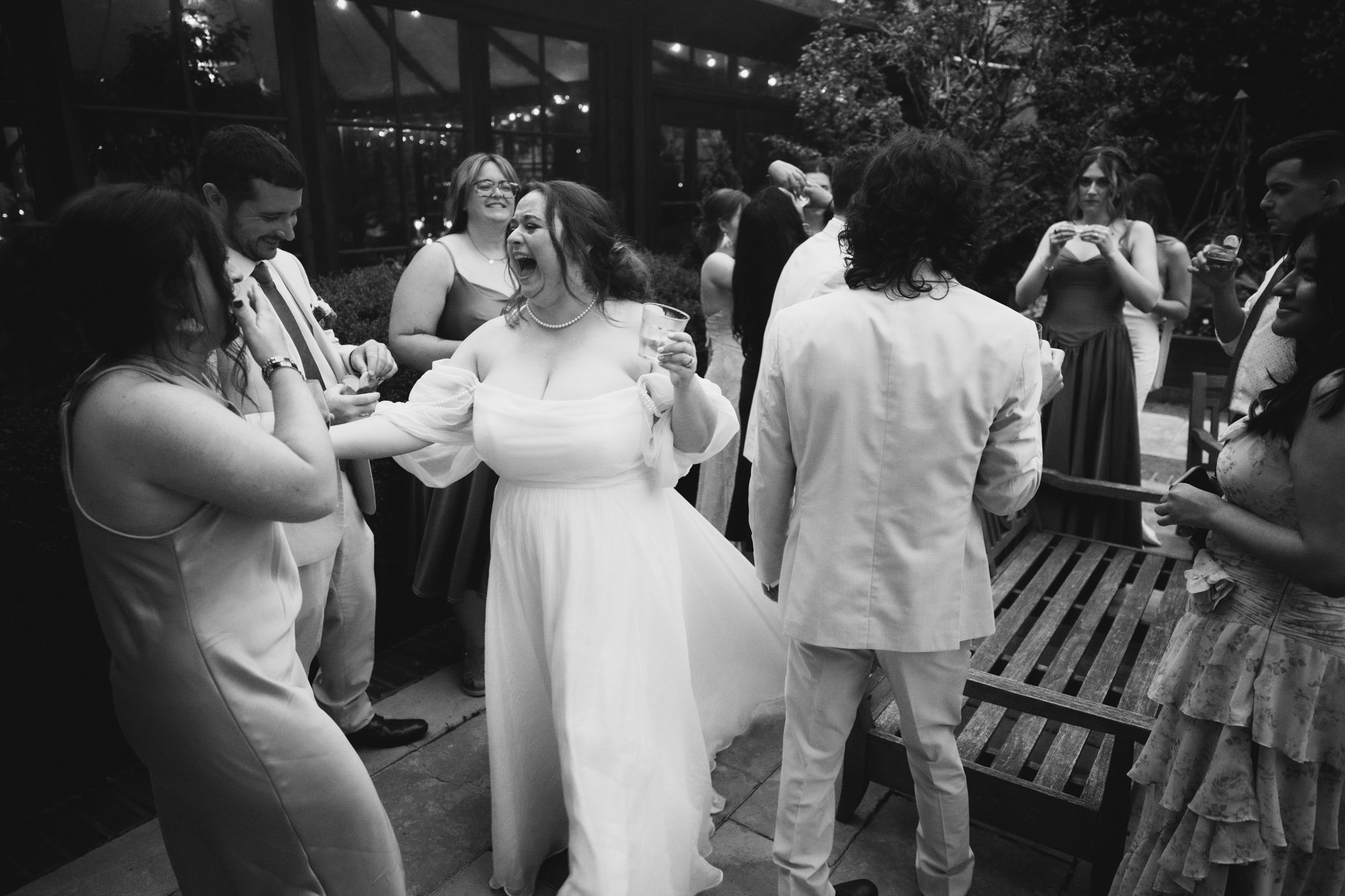
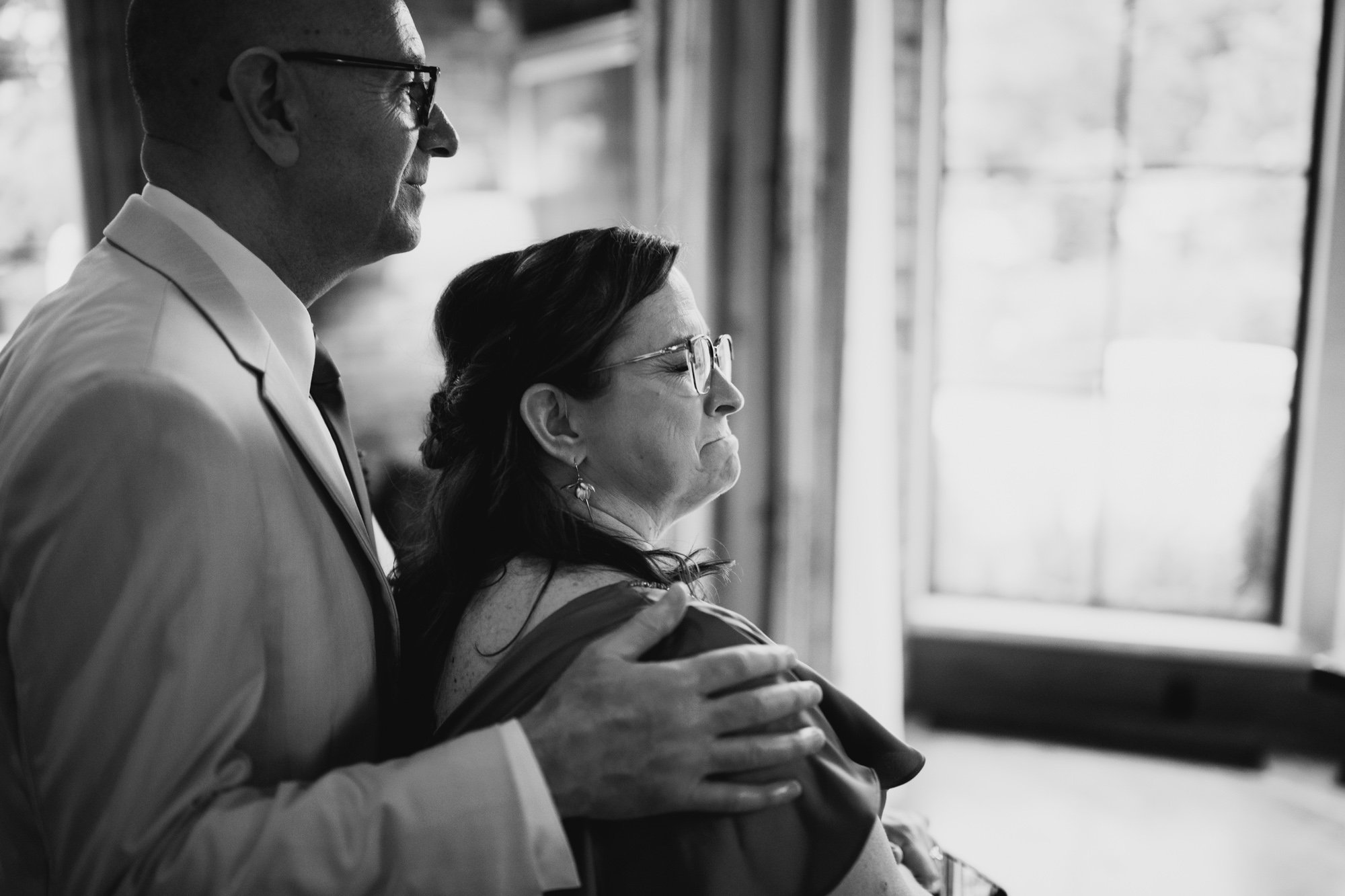
My approach to documentary wedding photography starts with a simple commitment: I'm after what actually happened, not a stylized (some might say fake) version of it. If your maid of honor loses it during her toast and ugly cries, you bet I want that. If your dad grabs your hand without thinking right before you walk down the aisle, I want that. If you look at each other mid-vow and forget that anyone else is in the room — that moment of complete, unrehearsed connection — I absolutely want that.
Those moments are messy. The light isn't always perfect. Chins are rarely at the right angle. But those moments are true and real. And in my 25-plus years behind the camera, I've learned that truth ages better than aesthetics. The photo that makes your stomach drop a little when you look at it 10 years from now isn't going to be the one where everyone looked their best. It's going to be the one that takes you back to that moment.
That's the promise of truth over performance – your photos will look like your wedding. Not like a mood board. Not like someone else's. Yours.

Pillar Two: Presence Is the Point
Here's something I genuinely believe: your wedding day does not need a photographer in charge.
Wedding days are not, at their core, about photography. I think it was the famous John Dolan, who said, "The photographs are about the wedding. The wedding isn't about the photographs."
Weddings are about love and celebration and being surrounded by the people who matter most to you. Photography is there to document that, to preserve it; photography is not there to direct it. The moment a photographer starts running the show, competing with the day for your attention, the thing worth photographing starts to disappear.
When couples ask me what kind of experience they can expect working with me, I tell them the same thing every time: I guide only when I have to. I'll step in for portraits, and I may suggest a location if they're truly stumped. But for the vast majority of the wedding day, my job is to be as unobtrusive as possible — moving through the day while paying attention.
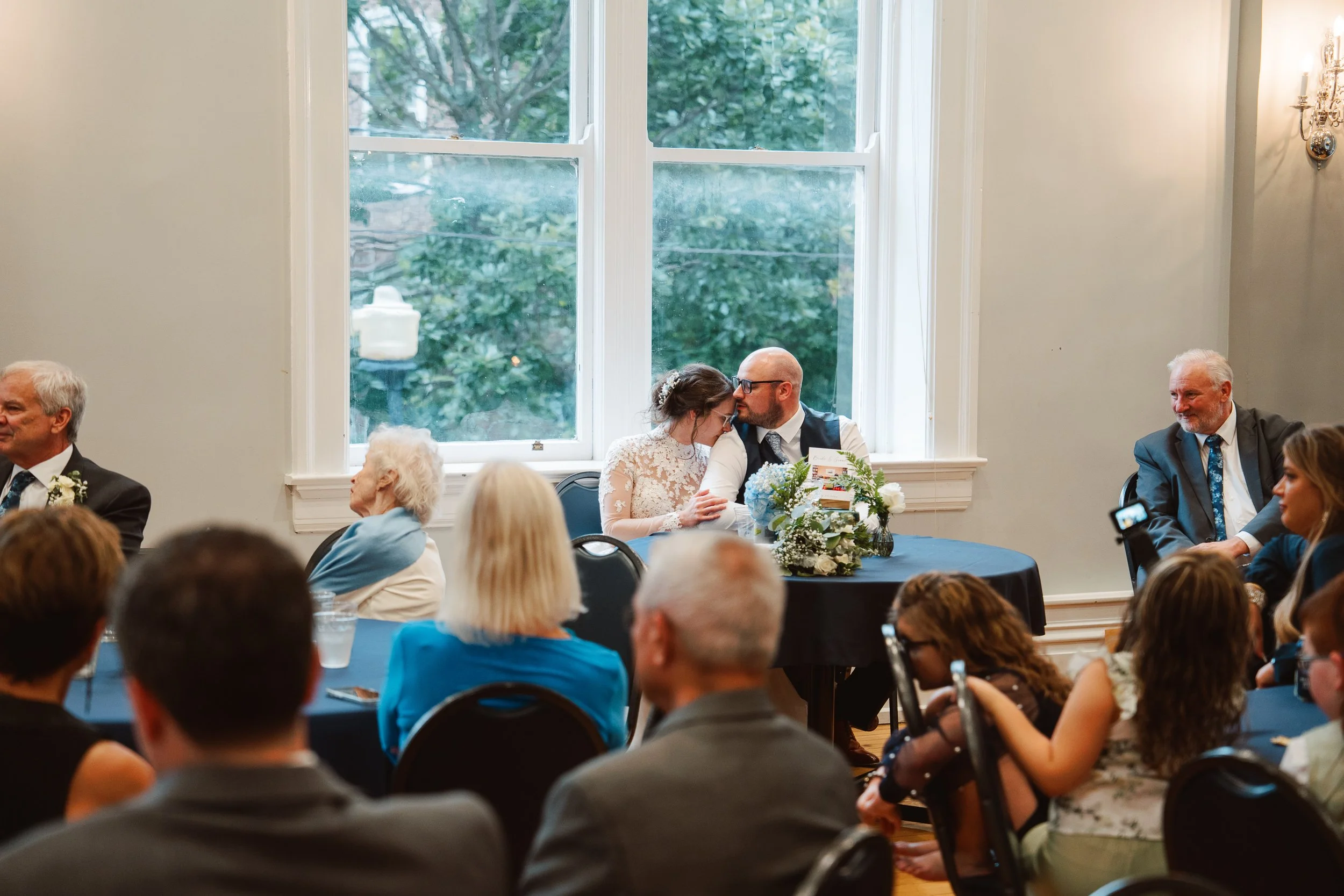
This is important because the moments I'm after — the ones that tell the real story of your day — only happen when you've forgotten I'm there. The glance between you during the ceremony when your officiant says something that hits differently. The way your best friend looks at you during your first dance. The quiet moment, usually sometime in the late afternoon, when the two of you find each other in the middle of everything and just breathe. Those moments can't be manufactured.
Your presence on your wedding day is the whole point. My job is to protect it, not compete with it.
Pillar Three: Safe Space, Authentic Work
I've come to believe that the quality of wedding photography is, in large part, a function of how safe people feel.
When your guests feel self-conscious, they stiffen. When your family feels managed, they perform. When you feel like you're being directed through every moment of your own wedding day, the authentic version of you — the version that exists when nobody's watching — retreats, and that version is the one I'm trying to photograph.
Creating a safe, open environment isn't just a nicety. It's essential to the work.
For me, that starts with being calm. I worked in some genuinely high-pressure environments over 20 years as a military photojournalist. I know what it means to be the calm in the storm rather than its source. On a wedding day, that means I'm the one person who is completely unhurried — moving quietly through the chaos, not adding to it. If something goes sideways (and something always does), I'm not stressed. I stay flexible and pay attention.
It also means I'm not there to fix things or manage things or tidy things up. If the room is a little messy, the mess is part of the story. If someone's mascara is running, that moment is real, and it matters. If two people are having a genuine conversation in a corner that nobody staged, that's exactly where I want to be.
The trade I'm offering is this: give up the safety of being directed through every moment, and gain something far more valuable — a real, authentic look at what your day actually was and how it felt.
Pillar Four: You Already Get It
Not everyone arrives at documentary wedding photography through the same door.
Some couples do the research. They learn about photojournalism and visual storytelling in general, and then they learn about traditional wedding photography, posed portraiture and candid work. They build a vocabulary for what they want, and seek out photographers who speak it.
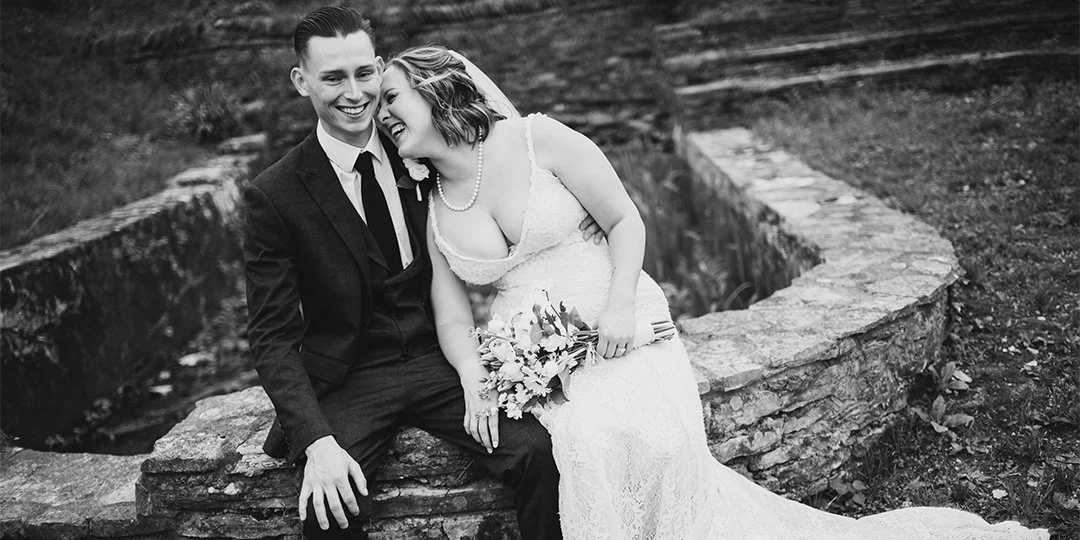
But in my experience, most of the couples who find me don't come that way. They come because they were scrolling through a gallery and something stopped them. Not the most technically perfect image. Not the most beautifully lit portrait. A moment — a laugh, a tear, a look — that felt honest, like it could be someone they knew in the photo.
That instant of recognition is important. It means something. The couples who align most naturally with my work aren't usually searching for a specific photographic style. They're searching for someone who understands what they actually care about. They want to be present on their wedding day. They want their photos to feel like them. They're skeptical of the performance, the shot list, the Pinterest board. They know what they don't want, even if they haven't always had the words for what they do.
If you've ever looked at a wedding photo and thought, "that's beautiful, but it doesn't look like anyone I know," you already understand what I'm trying to do. If you've ever felt a little bit of dread at the thought of being posed and directed for hours on your wedding day, you already know what kind of experience you want.
I'm not trying to convince you of anything. I'm just naming something you likely already feel.
Pillar Five: Feeling Over Flattery
Most wedding photography, if we're being honest, is asking one question: does this look good?
That's not a bad question. Looking good matters. I want my couples to feel proud when they share their photos. I want their families to be moved by them. I want the images to be worth hanging on a wall.
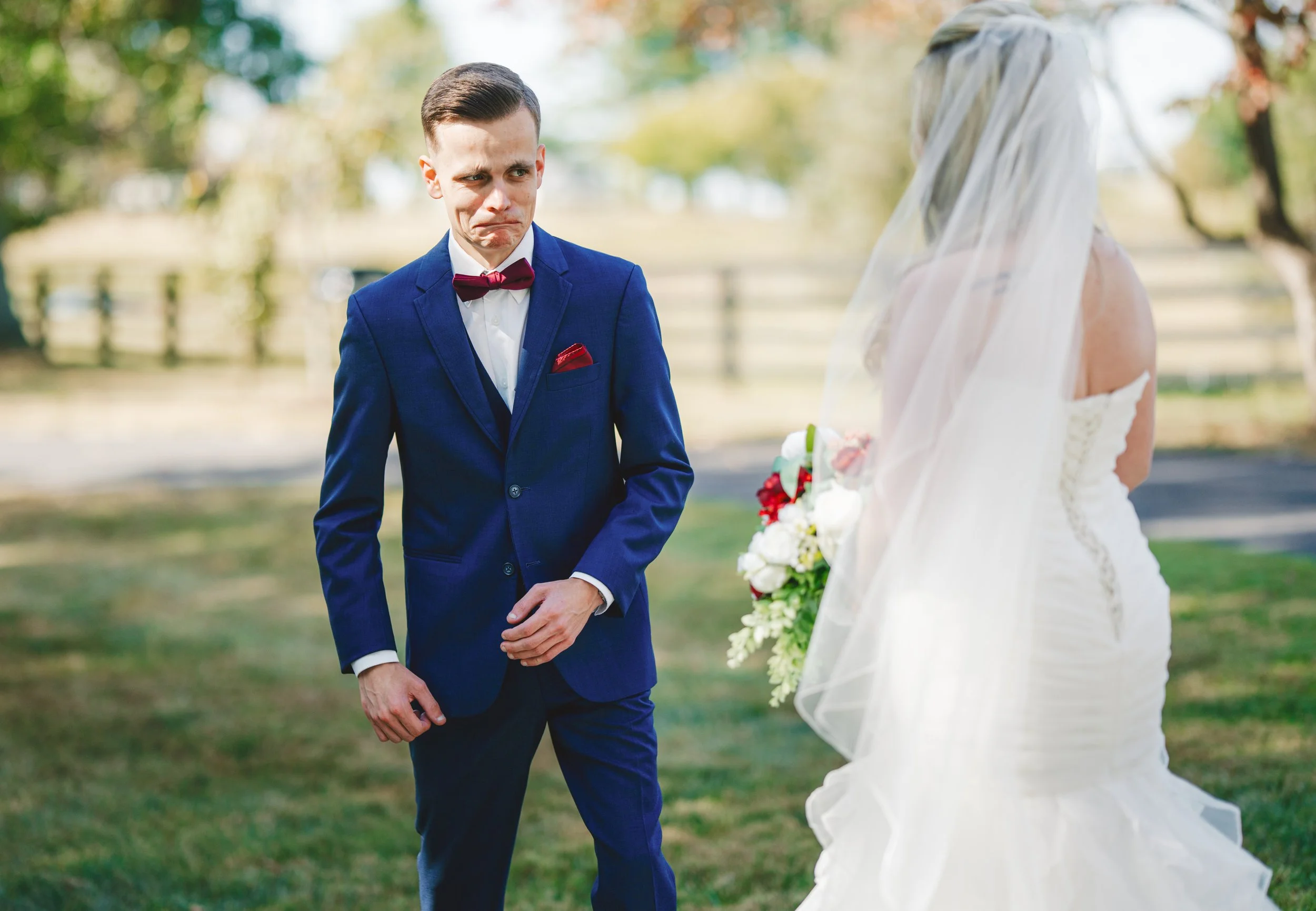
But that's not my primary question. My question is always: does this feel true? Will this image put you back in that moment in five years, 10 years, 20 years? Or will it just remind you that you hired a photographer?
There's a category of wedding photo that's technically flawless and emotionally inert. Perfect light, perfect composition, beautiful couple, zero feeling. And there's another category: the image that's a little imperfect, maybe slightly underexposed or caught at an odd angle, but something in it is undeniable. Something in it is real. You will value that second image considerably more.
Nobody looks back at their wedding photos 20 years later and says, "I wish more of these were technically perfect." They say, "I forgot how happy we were. I forgot how hard we laughed. I forgot that was the last time my grandmother danced."
The photos that do that work aren't always the prettiest ones in the gallery. They're the truest ones. And truth, it turns out, is what actually lasts.
Why I Photograph Weddings at All
I should probably tell you something about why any of this matters to me personally — because it does, more than I can express in a portfolio or a pricing guide.
I spent years thinking I wasn't going to find my person. I went through a painful divorce and arrived at a place where I'd genuinely made peace with the idea that the chapter of my life that involved love and partnership might be closed. And then I met Taylor, and I learned, in a way that's hard to put into words, how much it matters to find your person. How rare it is. How much it's worth protecting. How much it's worth celebrating.
Over everything else, that's what I'm thinking about when I show up to a wedding. Not the timeline or the shot list or the lighting conditions. The feeling of that day. The specific, unrepeatable feeling of being surrounded by everyone you love, with your person beside you, knowing that this is your life now.
That feeling is worth getting right. It's worth the work of paying attention, of staying out of the way, of creating the conditions for authentic moments rather than manufactured ones. It's worth the philosophy behind all five of these pillars.
You found your person, and it's your day, your story. I'm here to bear witness so you remember what it felt like for years to come.
Frequently Asked Questions
What is documentary wedding photography?
Documentary wedding photography is an approach that prioritizes capturing real, unscripted moments over posed or directed images. A documentary wedding photographer focuses on telling the story of the day as it actually unfolds, rather than constructing images for a specific aesthetic outcome. The goal is authenticity — photos that show what the day really felt like, not a stylized version of it.
How is documentary wedding photography different from traditional or other styles of wedding photography?
The key difference comes down to the process by which different photographers work.
Documentary wedding photography is usually quite hands-off, allowing moments to unfold naturally and capturing them as they happen. Documentary photographers prioritize emotional truth and real, candid moments.
Other styles of wedding photography (including traditional and editorial) typically involve much more direction — posing, organizing, and creating specific images according to a shot list. Traditional photographers prioritize visual polish and comprehensive coverage of expected shots.
Many photographers blend both approaches. I lean heavily into an observational approach, but I will obviously set that aside during family formals and couples portraits.
Will I still get portraits with a documentary wedding photographer?
Yes. Most documentary wedding photographers — including me — will still take time for portraits of the couple and family formals. The difference is in how those portraits are approached. Rather than running through a long shot list of posed images, a documentary photographer tends to keep portrait time shorter and more relaxed, focusing on connection between the subjects rather than technical perfection. The goal is portraits that feel like you, not portraits that look like everyone else's.
What should I look for when choosing a documentary wedding photographer?
Look for a photographer whose work makes you feel something — not just someone whose technical skills impress you. Scroll through full galleries, not just highlight images. Notice whether the candid moments feel genuinely candid, or whether they look staged. Read how the photographer talks about their work and their approach to the day. Most importantly, pay attention to whether you feel a connection with them as a person — because they're going to be with you for one of the most emotionally significant days of your life, and trust matters.
Some people think it's trendy to say they're a documentary wedding photographer, even though they follow none of the principles of documentary or photojournalism work; they just want to ride the buzzword train. Look for a documentary wedding photographer who actually has a background in documentary/photojournalism work. This will validate their approach and show you it's more than just buzzwords.
Do you photograph weddings outside of Lexington, Kentucky?
Yes. While I'm based in Lexington, KY, and photograph many weddings throughout central Kentucky, I'm happy to travel for the right couples. If you're planning a wedding in Kentucky or beyond, and you feel like my approach might be the right fit, I'd love to hear from you.
This Work Is Not For Everyone – That's Okay
I want to be honest with you: documentary wedding photography isn't the right fit for every couple.
If you want a highly structured day with a detailed shot list and a photographer who's actively directing every frame, I'm likely not your person. There are genuinely talented photographers who do that work beautifully, and if that's what you want, you should find one of them.
But if you want someone who will show up, pay attention, and spend the whole day protecting the feeling of what's actually happening — if you want to look back at your photos and feel it all over again — then I'd love to talk.
There's no pressure and no pitch. Just a conversation to find out if we're the right fit for each other. If we are, I'll be honored to be there. If we're not, I'll tell you honestly and wish you well.